Mostrando entradas con la etiqueta Vicky Hernández. Mostrar todas las entradas

viernes, 19 de enero de 2018

Honduras: Vicky, the Transsexual Who Died 280 Times


This is the first in a series of six chronicles on violence against LGBTI people in Honduras


In Honduras, death risk for LGBTI persons is one of the highest in the world

When an LGBTI person is murdered, his or her murder might never be solved because of the country’s high impunity rates


78% of LGBTI cases in Honduras go unpunished. Only 22% are judicialized and few of the offenders are convicted


Vicky Hernández Castillo, birth name Johnny Hernández (1983-2009).

Her murder was horrible and irrational, committed with unspeakable hate.
It was the night of June 28, 2009, the date of the coup that ousted President Manuel Zelaya, and Vicky Hernández Castillo -birth name Johnny Emilson Hernández- went out to the streets to work in the sex trade, unaware of the curfew imposed by Roberto Micheletti’s de facto government.
Vicky, 26 years old, born in San Pedro Sula, had enemies who lurked in the shadows. The life of sex workers is one of constant danger, but it gets riskier when they are transsexuals.
Her murder was the first in a string of 279 violent deaths from 2009 until December 2017, according to the Observatory of Violent Deaths of LGBTI People of the Cattrachas Lesbian Association.
In eight years, only 60 cases were judicialized and less than half of the offenders in those cases were convicted. Every other offender went unpunished.
From 2008 to date, 41 cases were judicialized and 22 offenders were convicted, the Office of the Public Prosecutor stated.
According to public documents, the Judiciary said that 24 people were sentenced, and six were acquitted.
We will never know how many times Vicky managed to escape death: her life was perhaps a Russian roulette. But on June 28 she ran out of luck. The next day, she was found dead between the Santa Anita and Concepción neighborhoods, one block away from the old building of the San Pedro Sula Gay Community for Integral Health.
Vicky’s murder is important for several reasons: it happened in a stormy political environment, she was transsexual, her murder was vicious, it was an extrajudicial execution and it remains unpunished.
Prejudices in her case border on insanity. Forensic authorities refused to perform the autopsy on Vicky "saying she was HIV-positive," and "they did not want to investigate on the grounds that the victim was a 'different' person who had no rights, which is an instance of discrimination on the grounds of her sexual preference," according to a petition filed on December 23, 2012, by Honduran and foreign organizations, including Cattrachas and Robert F. Kennedy Human Rights.
Honduran authorities argued that they in fact had done the autopsy on Vicky, but never found the official records of the forensic procedure. It is indeed known that she died of several gunshot wounds.
Vicky’s unsolved crime is one among thousands of instances of impunity gnawing like a cancer at the Honduran investigative and judicial system, damaging the way justice is applied in LGBTI cases. "You’ve no idea what impunity really is. There’s impunity not just because nobody investigates; and, when there’s in fact an investigation, they do it with prejudice, homophobia or lesbophobia," says Indyra Mendoza, Cattrachas’ coordinator. Meanwhile, Honduran justice has not captured and much less prosecuted Vicky’s murderers. The Honduran State "is responsible for the unwarranted delay in the investigation of Vicky’s murder," says the petition submitted to the IACHR in 2012, which further claims that there is "discrimination in the access to justice" due to the victim’s gender identity.


Understanding Impunity
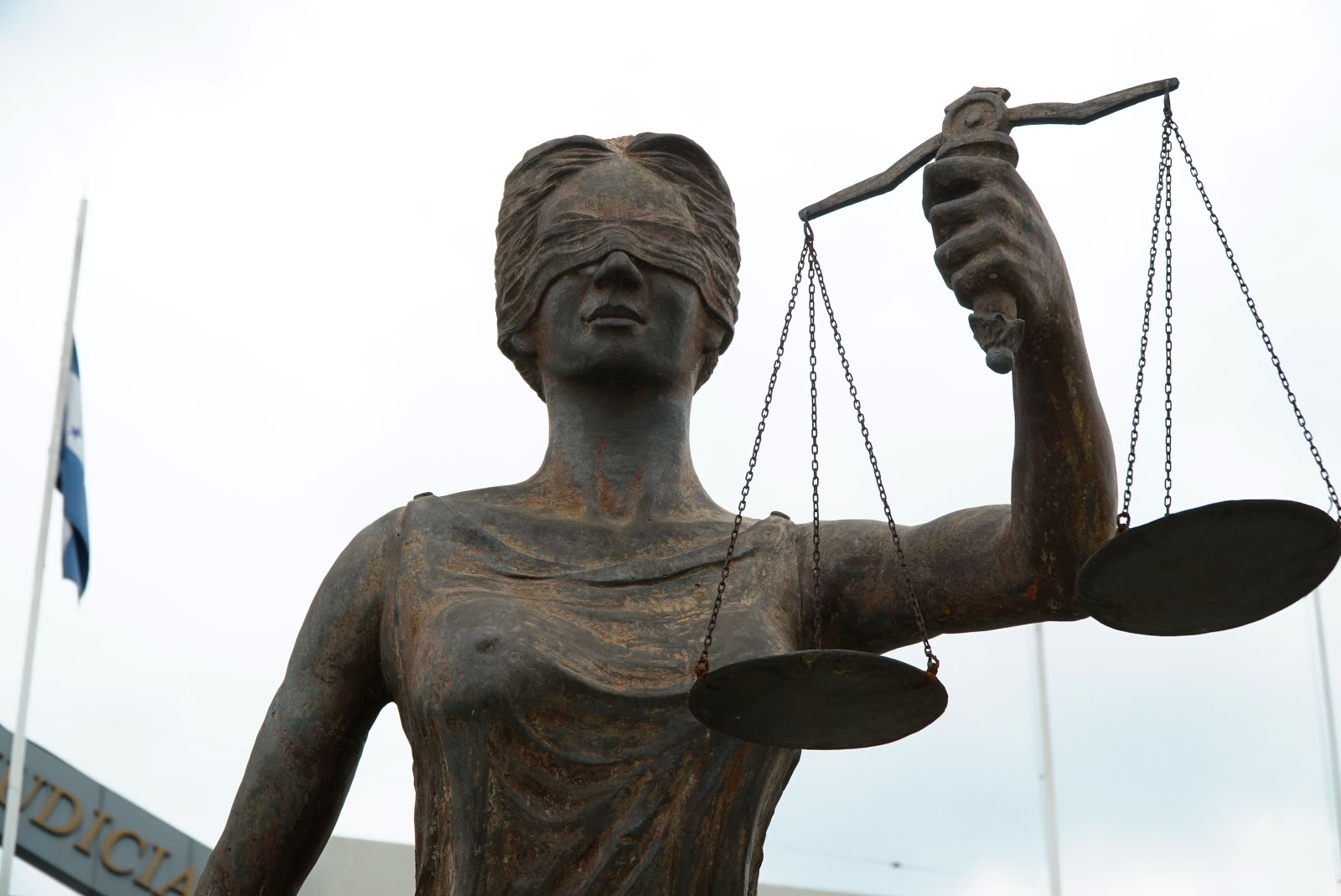

Most LBGTI murders in Honduras go unpunished because
LGBTI people are not a priority for the State. 

In order to better understand Vicky’s case, we must delve into the meaning of the word "impunity".
Impunity and corruption are phenomena that are directly related, to the extent that many believe that they are a single phenomenon, says Honduran renowned researcher Leticia Salomón.
There is so much impunity that citizens no longer report crimes because they are sure that nobody will ever solve them, adds Solomon, which stresses the magnitude of criminal activity and the institutional weakness of policemen, prosecutors and judges to capture those involved and apply sanctions.
Although an LGBTI person can be a victim of common criminals, many human rights violations might pass off as common criminal acts.
"Impunity’s magnified in LGBTI murders because LGBTI persons are not a priority for the State, the Government and the institutions, because their families have no political and economic power and because there’s no greater social demand for justice in these cases," says Luis Velásquez, sociologist of the Regional University Center of the Atlantic Coast.
Like many LGBTI victims, Vicky’s origins were humble: she came from the most deprived neighborhoods in San Pedro Sula, and worked to support her family, especially her niece. She lived with her mother and sister, and worked tirelessly. Her wake took place at the Colectivo Color Rosa Organization.
A very important factor to help understand the differences between common crime and LGBTI crime, as in Vicky’s case, is, according to sociologist Luis Velásquez, "that LGBTI people are categorized as 'worthless', so there is no widespread demand, and that cases of people murdered in hate crimes are unsolved".
Velásquez’s analysis brings to the table two visions of LGBTI crimes: first, most of the victims are low-income; second, they suffer from prejudice and constant rejection because of their gender identity, in the case of transgender people, and because of their sexual orientation, in the case of gays, lesbians and bisexuals.
Poverty and sexual preferences outside social norms are key factors to explain why, over the past eight years, the number of violent LGBTI deaths has soared to unthinkable heights.
Honduran society is patriarchal, a condition that fuels the contempt that certain social groups feel towards LGBTI people. In a patriarchal environment, repudiation of these groups creates an ideal breeding ground that multiplies crimes against LGBTI population.


Politics and Crime
In the past eight years, violence against LGBTI people seems to have become more classist and, consequently, more political. Almost all the victims belonging to these groups are poor and therefore do not receive the treatment accorded to Honduran upper classes. They do not have money, so it is easier to kill them with the assurance that no one will punish the perpetrators.
Social groups collided in 2009, explains Erick Martínez, who works for the Center for Human Rights Research and Promotion (Centro de Investigación y Promoción de los Derechos Humanos-CIPRODEH), referring to the increasing political participation of the LGBTI groups due to state violence and criminal activity. "Because of the coup, people knew of the protests conducted by the LGBTI community. This caused visibility".
During the michelettista regime, people became aware of LGBTI groups. "Organized crime, gangs, and other powerful groups found gaps in the system and began to commit selective murders because the community was empowered and gained more visibility," says Martínez. The visibility increased the danger and the impunity.
"A murderer in the Honduran system has a 96% chance to run free," says Ramón Barrios, lawyer and university professor, who delves into the causes of the high impunity rates in Honduras: "It’s big business to be a hitman in Honduras; 96% chance and, in the case of the community, 98% chance. Why? Generally speaking, because of deficient investigation. Crime has taken the place of investigative skill. There’s also a bias. Investigative bodies and the State refer to the LGBTI community as people who ‘get killed because they deserve it, based on what they do’. There’s also a religious prejudice when saying 'they deserve it' because they don’t stick to God’s mandates".
Barrios’ ideas coincide with those of sociologist Luis Velásquez: rejection of sexual preferences outside the norm is one of the main causes of LGBTI crimes.
Rejection turns into hatred. People say we tend to reject what we do not understand. This is one of the roots of prejudice, in particular of the dangerous prejudices against the LGBTI community. A sentence of researcher Javier Acevedo summarizes this attitude: "They´re being classified as undesirable people. As third-class citizens".


Killing for Hate


There is still no justice in the murder of transsexual Vicky Hernández.


While Vicky’s family is still demanding justice, one of her nieces, who is a transsexual and commercial sex worker, says she barely remembers her aunt and, even though she knows the circumstances in which Vicky died, she is afraid but she keeps going on in spite of her fear. "Sometimes, customers don’t want to pay what we’re worth," she complains.
One of the allegations of organized LGBTI groups in Honduras is that the Church’s hate speeches promote rejection of gays, lesbians, bisexuals and transgender people.
"The Evangelical Fellowship in Honduras has been charged with inciting hatred, discrimination and rejection against us," says Rihanna Ferrera, transsexual activist and executive director of the Cozumel Trans Association.
Other institutions have joined in the repudiation and indifference. Ferrera believes that, according to the Judiciary and the National Congress, the country does not care for the crimes against the community. "There is no political will. Impunity and corruption are linked. When an LGBTI person is murdered, the crime’s not investigated, and, when it’s investigated, it’s the victim who’s under suspicion, not the murderer".
In the past eight years, approximately 250 LGBTI people have fled to other countries because of insecurity, says Ferrera.
"We live in a patriarchal state toward transsexual women and lesbians. In most cases, transsexual women are killed with firearms, which makes the research more difficult, while gay people are stabbed to death. It is easier to identify the murderer of the gay person because they don't get killed on the streets, but in hotels, at home, and so on, while transsexuals are killed on the streets and at times when working at the sex trade".
Rihanna is a witness to the disastrous results of the unjustified grudge against their community. In 2010, Deborah Kurkova, a transgender sex worker, was killed in a gas station close to the Hotel Honduras Maya, in Tegucigalpa, says Ferrera.
That night, Deborah approached a group of drunkards in a van. The men told her something, she insulted them and, when she walked away, she was shot. "I’m choking," she complained. Her friends asked for help, but the policemen refused to take her to the hospital. "Can´t take you there," they said. "Who knows what kind of diseases you’re carrying."
"Deborah died on the street," says Rihanna. "To date, her crime’s not been solved".
"The murder of trans people goes unpunished because they’re executed on the streets; when lesbians are massacred 2, 3 or 4 at a time, their murders go unpunished as well. We’re massacred and our murders are never related to violence against lesbians; they see us just as any other women," says Indyra Mendoza.
The highest homicide rate among transgender women throughout the hemisphere belongs to Honduras: 9.68 murders per million inhabitants, according to the NGO Transgender Europe.
More than 92% of hate crimes go unpunished because of a discriminatory legal framework, according to the 2012 report of the National Human Rights Commissioner of Honduras.
However, the Church also has a point of view in regard to the violence against LGBTI people. "I don’t think that everything’s linked to hate crimes. Unfortunately, they’ve tried to blame the Church for the things that happen to them, but it’s not necessarily that way," says pastor Alberto Solórzano, a member of the Special Commission in charge of purging the Honduran National Police.
Solórzano does not believe that every crime is a hate crime; he thinks that violence is to be blamed on "their life situations".
He believes that the LGBTI murders are not to be blamed on religious discourse: pastors, he adds, do not tell anyone "to kill a gay person". Solórzano turns around the reasoning of LGBTI groups and points to the Church as a victim. LGBTI groups, according to him, consider the Church "a hindrance, an enemy", and blame if for "all of their suffering and wrongs".


Looking for Solutions
There have been attempts to combat impunity in LGBTI crimes in Honduras. Some of these attempts are promoted from abroad.
In 2010, the Universal Periodic Review made 129 recommendations to the Honduran State, including the establishment of the specialized unit to investigate the violent deaths of LGBTI people and carry out a reform of Article 321 of the Honduran Criminal Code to ensure legal protection against discrimination based on sexual orientation and gender identity. The reform was revoked in the current amendment to the Code.
In 2011, former President Barack Obama called on the Government of Honduras to "investigate these murders and to hold perpetrators accountable". The US embassy in Honduras worked closely with the Government -under former President Porfirio Lobo- to establish a Special Victims Unit that would investigate and judicialize hate crimes against LGBTI people. US authorities brought a prosecutor and a detective to Honduras to help establish the unit in the Office of the Public Prosecutor.
Obama’s Government brought experts to investigate LGBTI murders. Honduran prosecutors and policemen were trained and the unit worked more or less well in Tegucigalpa.
The Bureau of Access to LGBTI Justice was created, and the High-Impact Crime Unit and the Bureau were taken to San Pedro Sula. Former prosecutor Norma Sobeida Narváez in the northern region of the country did a much better job than what was being done in Tegucigalpa. However, Narváez was separated from the institution in 2014.
Most of the requirements and judicialized cases in Honduras came from San Pedro Sula. "She [Narváez] made the difference; she was fired and that was that. That’s why a lot of cases were judicialized," says Indyra Mendoza.
The main priority of the High-Impact Crime Unit were the murders of LGBTI people and of public officials, prosecutors or judges, says former prosecutor Narváez.
"Agents found it hard to adapt because we live in a male-centered society," says Narváez. "The community was suspicious, but they saw that the agents weren’t bigots, that they were respectful and promoted peace. They were not like other policemen. So people opened up and became accessible."
Narváez and his five agents were trained in El Salvador and in Roswell, United States. Some investigations were not carried out for lack of resources and the embassy supported them with travel allowances and a car.
The unit had difficulties when taking abandoned cases because it was very hard to find evidence. "Before, the crime scene wasn’t taken care of, some items were lost and witnesses were no longer to be found," she adds. In recent cases, according to the former prosecutor, the biggest problem for them was the lack of interest of the prosecutor and the agents.
In Vicky’s case, two of the witnesses to her murder are dead and the State will have to give answers to the IACHR in regard to the case.
Currently in the Office of the Public Prosecutor, several prosecutors can see high-impact cases. In 2017, the general budget of the institution was 1,745,475,158 lempiras. The Special Prosecutor for Crimes against Life is responsible for the Vulnerable Groups Death Unit that addresses LGBTI murders. The budget of the latter in 2017 was 25,502,261 lempiras and has, in the central area, two prosecutors and, in the north-west, the same amount of public servants. Justice operators are assisted by researchers from the Technical Agency for Criminal Research (Agencia Técnica de Investigación Policial-ATIC) and the Investigative Police Bureau (Dirección Policial de Investigaciones-DPI).
The system is criticized because the workload of a prosecutor may be so high that investigations are not carried out nor are cases judicialized. Lack of financial and technical resources is also a problem to be dealt with. In 2017, 33 LGBTI people were murdered in Honduras. The last four deaths occurred in the department of Cortés. In Puerto Cortés, two gay and transgendered people were killed. In San Manuel, another transsexual was murdered by a client. The Bureau of Access to Justice in San Pedro Sula and the Special Unit of the Public Prosecutor judicizlized seven of these 33 cases.
During the last electoral campaign in Honduras, speeches of hatred against lesbian and gay groups intensified. "We recognize the importance of conducting an exhaustive investigation to prevent these crimes to go unpunished," said in a statement the Secretariat of Human Rights, Justice, Interior and Decentralization of Honduras.
One of those cases awaiting solution is Vicky Hernández Castillo’s murder. Over 8 years have passed since she was killed, but some people are not willing to forget her, such as those who filed a petition to the IACHR requiring that the State of Honduras answer for the crime.
Vicky is not alone: 257 LGBTI victims like her are still expecting justice, since only 24 cases have been sentenced, according to the Judiciary. 

miércoles, 3 de enero de 2018

Honduras: las 280 muertes de la transexual Vicky Hernández


En Honduras, cuando eres una persona LGBTI, el riesgo de que mueras es uno de los más altos del mundo 

Si eres LGBTI y te asesinan, es posible que tu crimen nunca se esclarezca por la elevada impunidad que existe en el país 

El 78% de los casos LGBTI en el territorio hondureño siguen impunes. Solo el 22% ha sido judicializado y, de estos, no todos han obtenido sentencias condenatorias 


Vicky Hernández Castillo, llamada al nacer
Johnny Hernández (1983-2009).


Su asesinato fue horroroso e irracional, cometido con una aversión que cuesta describir. 
Era la noche del 28 de junio de 2009, fecha del golpe de Estado que derrocó a Manuel Zelaya, y Vicky Hernández Castillo —llamada al nacer Johnny Emilson Hernández— salió a la calle a ejercer el comercio sexual sin saber del toque de queda impuesto por el gobierno de facto de Roberto Micheletti. 
Vicky, sampedrana, 26 años, tenía enemigos que acechaban en las sombras. La vida de las trabajadoras del sexo está en peligro constante, pero el riesgo se multiplica cuando se trata de una persona transexual. 
Con su asesinato comenzó una seguidilla de 279 muertes violentas desde 2009 hasta diciembre de 2017, según el Observatorio de Muertes Violentas de las Personas LGBTI de la asociación lésbica Cattrachas. 
En ocho años, sólo 60 casos se judicializaron y menos de la mitad de ellos tienen sentencia condenatoria. Todo lo demás está impune. 
Desde 2008 a la fecha se judicializaron 41 casos y se lograron 22 sentencias condenatorias, indica el Ministerio Público en un documento oficial. 
En otros documentos públicos, el Poder Judicial señala que se han otorgado sentencias condenatorias a 24 personas y se han dado sentencias absolutorias a seis. 
Imposible saber cuántas veces Vicky se las arregló para escapar de la muerte: su existencia era, quizá, una ruleta rusa. Pero el 28 de junio se le acabó la suerte. Al día siguiente, la encontraron sin vida entre los barrios Santa Anita y Concepción, a una cuadra del antiguo local de la Comunidad Gay Sampedrana para la Salud Integral. 
El asesinato de Vicky es importante por varias razones: ocurrió en un ambiente político tempestuoso, la víctima era transexual, lo cometieron con ensañamiento, fue una ejecución extrajudicial y permanece impune. 
Los prejuicios en su caso rozan lo descabellado. Las autoridades forenses se negaron a practicarle la autopsia a Vicky “con la excusa de que era VIH positiva” y “no quisieron emprender ninguna diligencia investigativa por considerar que la víctima era una persona ‘diferente’ y sin derechos, lo que constituye una discriminación en razón de sus preferencias sexuales”, según una petición presentada el 23 de diciembre de 2012 por organizaciones hondureñas y extranjeras como Cattrachas y Robert F. Kennedy Human Rights. 
Las autoridades hondureñas argumentaron después que sí le habían hecho la autopsia a Vicky, pero nunca se encontraron registros oficiales del procedimiento forense. Lo que sí se sabe es que murió de varios balazos. 
El crimen sin resolver de Vicky es uno de miles de ejemplos de cómo la impunidad se ha vuelto un cáncer del sistema investigativo y judicial en Honduras que perjudica particularmente la forma de aplicar justicia en los casos LGBTI. “Usted no tiene idea de lo que es la impunidad. La impunidad no solo es que no investiguen, sino que, cuando investigan, investigan con prejuicios, homofobia o lesbofobia”, dice al respecto Indyra Mendoza, coordinadora de Cattrachas. Mientras tanto, la justicia hondureña no ha capturado y mucho menos judicializado a los asesinos de Vicky. El Estado hondureño “es responsable por el retardo injustificado en la investigación del asesinato de Vicky”, asegura la petición presentada a la CIDH en 2012 y alega además que hay “discriminación en el acceso a la justicia” debido a la identidad de género de la víctima. 


Entendiendo la impunidad 


La impunidad es mayor en los asesinatos de personas
LGBTI porque no son prioridad para el Estado.

Para entender mejor el caso de Vicky, debemos ahondar en el significado de la palabra “impunidad”. 
La impunidad y la corrupción son fenómenos que están directamente relacionados, al grado de que muchos creen que son un solo fenómeno, señala Leticia Salomón, reconocida investigadora hondureña. 
Hay tanta impunidad que la ciudadanía deja de denunciar los delitos porque sabe que jamás los resolverán, agrega Salomón, lo que dice mucho de la dimensión del fenómeno delincuencial y de la debilidad institucional de policías, fiscales y jueces para capturar a los implicados y aplicar sanciones. 
Aunque una persona LGBTI puede ser víctima de la delincuencia común, en gran cantidad de casos puede ser que la violación de los derechos humanos se haga pasar por un acto delictivo común. 
“La impunidad se acentúa en los asesinatos de personas LGBTI porque no son prioridad para el Estado, el Gobierno y las instituciones, ya que no tienen apellidos de las familias de mayor poder político y económico de Honduras y porque falta mayor demanda social de que a estos casos se les haga justicia”, opina Luis Velásquez, sociólogo del Centro Universitario Regional del Litoral Atlántico. 
Vicky era, como muchas de las víctimas LGBTI, de orígenes humildes: procedía de los barrios más desfavorecidos de San Pedro Sula y trabajaba para sostener a su familia, en especial a su sobrinita. Vivía con su madre y su hermana y siempre fue una luchadora incansable. Después de su muerte fue velada en la organización Colectivo Color Rosa. 
Un factor importantísimo que permite entender cómo se diferencia el crimen común del crimen LGBTI, como en el caso de Vicky, es según el sociólogo Luis Velásquez que, “al ser catalogados como una población que ‘vale menos’, no hay una demanda generalizada, por lo que los casos de homicidios producto de crímenes de odio no se resuelven”. 
El análisis de Velásquez aporta dos visiones del crimen contra la población LGBTI: primero, la mayoría de las víctimas son de escasos ingresos; segundo, son personas que sufren prejuicios y rechazo constante por su identidad de género, en el caso de personas transexuales, y por su orientación sexual, en el de gays, bisexuales y lesbianas. 
La pobreza y las preferencias sexuales fuera de la norma social aceptada son dos factores decisivos para explicar por qué, en los últimos ocho años, la cantidad de muertes violentas LGBTI se ha disparado a alturas inconcebibles. 
La sociedad hondureña es patriarcal, lo que influye en el desprecio con que algunos sectores sociales ven a las personas LGBTI. En un entorno patriarcal, el repudio a estos grupos crea un ambiente ideal para multiplicar los crímenes contra este grupo poblacional. 


Política y crimen 
En los últimos ocho años, la violencia contra las personas LGBTI parece haberse vuelto más clasista y, consecuentemente, política. Casi todas las víctimas pertenecientes a estos grupos son pobres y por eso no reciben el buen trato que se da a las clases altas hondureñas. Como no tienen dinero, es más fácil matarlas con la seguridad de que nadie se encargará de castigar a los hechores. 
Los sectores se enfrentaron en 2009, explica Erick Martínez, defensor del Centro de Investigación y Promoción de los Derechos Humanos (Ciprodeh), al referirse a la creciente participación política de los grupos LGBTI debido a la violencia estatal y delictiva. “Una manifestación del golpe de Estado fueron las personas de la comunidad LGTBI protestando. Eso causó visibilidad”. 
Durante el régimen michelettista, el pueblo empezó a enterarse de la existencia de los grupos LGBTI. Se abrieron “brechas para que los grupos del crimen organizado, pandillas y otros controlados por grupos de poder empezaran a hacer asesinatos selectivos porque la comunidad en aquel momento se empoderó y visibilizó”, indica Martínez. A mayor visibilidad, más peligro e impunidad. 
“Un asesino en Honduras tiene 96% de posibilidades de que el sistema no lo atrape”, dice Ramón Barrios, abogado y catedrático universitario, y ahonda en las causas de las altas cifras de impunidad en Honduras: “Es un gran negocio ser sicario en Honduras; 96% de posibilidad y a la comunidad, 98%. ¿Por qué se da? En general, por la deficiente investigación en Honduras. El crimen ha desplazado a la capacidad investigativa. Además hay un sesgo. Los mismos órganos de investigación y el Estado ven a la comunidad LGBTI como una cuestión de ‘los mataron, se mueren porque se lo merecen en función de en qué andan’. Hay un prejuicio hasta religioso al decir ‘se lo merecen’, al decir que no siguen los dictados tradicionales de Dios”. 
Estas ideas de Barrios coinciden con lo que apunta el sociólogo Luis Velásquez: el rechazo a las preferencias sexuales fuera de la norma es una de las causas principales de los crímenes LGBTI. 
El rechazo se convierte en odio. Se dice que tendemos a rechazar lo que no entendemos. Esa es una de las raíces de los prejuicios, en especial de los peligrosos prejuicios contra la comunidad LGBTI. Una frase del investigador Javier Acevedo resume esta actitud: “Están en esa categoría de indeseables. Son ciudadanos de tercera clase”. 


Matar por odio 


El asesinato de la transexual Vicky Hernández
sigue esperando justicia.

Mientras la familia de Vicky está esperando justicia, una de sus sobrinas, quien es transexual y trabajadora comercial del sexo, nos dice que la recuerda muy poco y, aunque sabe las circunstancias en que murió, dice que siente miedo, pero eso no le impide salir adelante. “A veces, los clientes no quieren pagar lo que uno vale”, se queja. 
Una de las denuncias de los grupos organizados LGBTI en Honduras es que la Iglesia fomenta con su discurso de odio el rechazo a gays, lesbianas, bisexuales y transexuales. 
“La Confraternidad Evangélica en Honduras se ha encargado de incitar al odio, discriminación y rechazo contra nosotras”, expresa Rihanna Ferrera, activista transexual y directora ejecutiva de la Asociación Cozumel Trans. 
Otras instituciones se han sumado al repudio y la indiferencia. Ferrera opina que, para el Poder Judicial y el Congreso Nacional, los crímenes contra la comunidad no son de interés para el país. “No hay voluntad política. La impunidad y la corrupción se ligan. Cuando asesinan a una persona LGBTI, no hay investigación y, si hay, es contra el asesinado y no contra el hechor del crimen”. 
En los últimos ocho años, aproximadamente 250 personas LGBTI han huido a otros países por la inseguridad, según Ferrera. 
“Vivimos en un Estado patriarcal hacia las mujeres transexuales y lesbianas. En la mayoría de los casos, las mujeres transexuales son asesinadas con arma de fuego y eso hace la investigación más difícil y, en el caso de los gays, con arma blanca. Es más fácil identificar al autor del crimen del gay porque no lo matan en las calles, lo matan en un hotel, en su casa, etcétera. Y a una transexual, en la calle y en horarios cuando ejerce el comercio sexual”. 
Rihanna ha sido testigo de los resultados nefastos del rencor injustificado contra su comunidad. En 2010, Débora Kurkova, una transexual trabajadora del sexo, fue asesinada en una gasolinera cerca del hotel Honduras Maya, en Tegucigalpa, relata Ferrera. 
Esa noche, Débora se acercó a una camioneta en la que iba un grupo de borrachos. Los hombres le dijeron algo, ella los insultó y, cuando se alejaba, le dispararon. “Me ahogo”, se quejó. Le pidieron ayuda a una patrulla, pero el policía se negó a llevarla. “A una persona de ustedes no la puedo montar”, dijo. “A saber qué enfermedades tiene”. 
“Débora murió en la calle”, cuenta Rihanna. “Hasta la fecha, su crimen no ha sido resuelto”. 
“La impunidad queda dentro de las personas trans porque son ejecutadas en las calles; la impunidad queda con las mujeres lesbianas a las que matan de 2, 3 y 4. Somos masacradas y no encuentran una relación de por qué eran lesbianas; siempre las meten allí como cualquier mujer”, indica Indyra Mendoza. 
La tasa más alta de homicidios entre mujeres transgénero de todo el hemisferio pertenece a Honduras: 9.68 asesinatos por cada millón de habitantes, según la ONG Transgender Europe. 
Más del 92% de los crímenes de odio quedan impunes debido a un marco legal discriminatorio, señala el informe de 2012 del Comisionado Nacional de Derechos Humanos de Honduras. 
Sin embargo, la Iglesia también tiene su punto de vista respecto a la violencia contra las personas LGBTI. “Yo no podría pensar que, en lo que ocurre en términos de crímenes de odio, todo está vinculado con eso. Lamentablemente han querido atribuirle al discurso de la Iglesia lo que pasa, lo que experimenta, pero no necesariamente es eso”, alega el pastor Alberto Solórzano, miembro de la Comisión Especial para la Depuración de la Policía Nacional de Honduras. 
Solórzano no cree que todos estos crímenes sean de odio; opina que se deben, en ocasiones, a “situaciones que ellos viven”. Está seguro de que los asesinatos LGBTI no son causados por al discurso religioso: los pastores, agrega, no le dicen a nadie “mate a una persona homosexual”. Solórzano le da vuelta al razonamiento de los grupos LGBTI y muestra a la Iglesia como una especie de víctima. Desde su punto de vista, ellos ven a la Iglesia “como un estorbo, un enemigo”, y la culpan de “todos sus padecimientos, todos sus males”. 


Buscando soluciones 
Ha habido intentos institucionales de luchar contra la impunidad en los crímenes LGBTI en Honduras. Algunas de esas tentativas son promovidas desde el extranjero. 
En el 2010, el Examen Periódico Universal hizo 129 recomendaciones al Estado hondureño, entre ellas, la creación de la unidad especializada para investigar las muertes violentas de personas LGBTI y realizar una reforma en el Artículo 321 del Código Penal de Honduras que garantizara la protección legal contra la discriminación basada en la orientación sexual e identidad de género. En la actual modificación a este código, lo quitaron. 
En 2011, el expresidente Barack Obama hizo un llamado al Gobierno de Honduras para “investigar estos asesinatos y hacer responsables a los perpetradores”. La embajada de EUA en Honduras trabajó de cerca con el Gobierno -en ese entonces, la administración del expresidente Porfirio Lobo- para establecer una unidad de víctimas especiales que investigara y llevara a juicio los crímenes de odio contra las personas LGBTI. Las autoridades estadounidenses consiguieron que un fiscal y un detective experto viajaran a Honduras para ayudar a establecer la unidad en el Ministerio Público. 
El Gobierno de Obama trajo expertos para investigar las muertes contra la población LGBTI. Capacitó a hondureños, fiscales, policías de investigación y estuvo funcionando más o menos bien en Tegucigalpa. 
Se creó la mesa de acceso a la justicia LGBTI y después trasladaron la Unidad de Crímenes de Alto Impacto y la mesa a San Pedro Sula. En la zona norte funcionó muchísimo mejor que en Tegucigalpa por el trabajo de la exfiscal Norma Sobeida Narváez, quien fue separada de la institución en 2014. 
La mayor parte de los requerimientos fiscales y casos judicializados de todo Honduras eran de San Pedro Sula. “Ella [Narváez] fue la diferencia; la echaron y se acabó. Por eso hay un montón de casos judicializados”, dice Indyra Mendoza. 
La mayor prioridad de la Unidad de Muertes de Alto Impacto eran las muertes LGBTI y de funcionarios públicos, fiscales o jueces, relata la exfiscal Narváez. 
“Costó que se adaptaran los agentes porque nuestra sociedad es totalmente machista”, dice Narváez. “La comunidad sentía recelo, pero vieron que los agentes no los discriminaban ni maltrataban, no los agredían como otros policías y los trataban con respeto. Entonces se abrieron y les dieron acceso”. 
Narváez y sus cinco agentes recibieron capacitación en El Salvador y ella en Roswell, Estados Unidos. No se hacían algunas investigaciones porque faltaban recursos y la embajada apoyaba con viáticos y un vehículo. 
La unidad tuvo dificultades al tomar casos abandonados porque era muy difícil hallar pruebas. “Antes no cuidaban la escena, se perdían elementos y ya no se ubicaba a los testigos”, agrega. En los casos recientes, según la exfiscal, el problema más grande para resolverlos es la falta de “interés del fiscal y los agentes”. 
En el caso de Vicky, dos de las testigos de su asesinato están muertas y el Estado tendrá que dar muy pronto una respuesta a la CIDH. 


Actualmente en el Ministerio Público, varias fiscalías pueden ver casos de alto impacto. En 2017, el presupuesto general de la institución fue de 1,745,475,158 lempiras. La Fiscalía Especial de Delitos contra la Vida tiene a su cargo la Unidad de Muertes de Personas Pertenecientes a Grupos Vulnerables encargada de atender actualmente los homicidios de personas LGBTI. El presupuesto de esta última en 2017 fue de 25,502,261 lempiras y tiene, en la zona central, dos fiscales y, en la noroccidental, la misma cantidad de servidores públicos. Los operadores de justicia tienen a la orden investigadores de la ATIC y la DPI. 
Una de las críticas al sistema es que la carga laboral de un fiscal puede ser tan alta que las investigaciones no avancen ni se judicialicen los casos. También se le abona la falta de recursos económicos y técnicos. En 2017 han matado a 33 personas LGBTI en Honduras. Las últimas cuatro muertes ocurrieron en el departamento de Cortés. En Puerto Cortés, fueron asesinados dos gays y una transexual. El otro caso se dio en San Manuel, donde otra transexual fue ultimada por un supuesto cliente. En coordinación con la mesa de acceso a la justicia de San Pedro Sula y la unidad especial del Ministerio Público se han logrado judicializar siete de estos 33 casos. 
Durante la última campaña electoral hondureña, los discursos de odio contra los grupos lésbicos gays se intensificaron. “Reconocemos la importancia de realizar una investigación exhaustiva para evitar que estos crímenes queden impunes”, dijo en un comunicado la Secretaría de Derechos Humanos, Justicia, Gobernación y Descentralización de Honduras. 
Uno de esos casos que aguardan solución es el de Vicky Hernández Castillo. Han pasado más de ocho años desde su asesinato, pero hay personas que se han prohibido olvidarla, como las que presentaron a favor de ella una petición para la CIDH exigiendo que el Estado de Honduras responda por el crimen. 
No solo se trata de Vicky. Como ella, otras 257 víctimas LGBTI siguen esperando justicia, ya que sólo 24 casos han sido condenados, según información del Poder Judicial.